> ## Documentation Index
> Fetch the complete documentation index at: https://docs.paraside.tech/llms.txt
> Use this file to discover all available pages before exploring further.
# Roleplay Guide
> Learn how trial proceedings work and master your role in Courtroom.
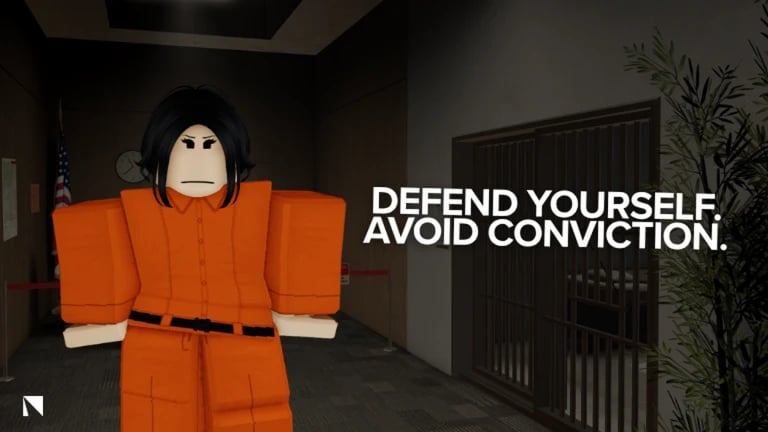 # Courtroom Roleplay & Trial Guide 🏛️
Welcome to the official **Roleplay Guide** for Courtroom! Whether you are stepping into the courthouse as a seasoned lawyer or entering for the first time as a witness, understanding courtroom etiquette, roles, and trial proceedings is essential for a rich roleplay experience.
***
## Courtroom Roles & Responsibilities
To maintain high-quality roleplay, every player should understand the core duties and limits of their chosen role.
### Judicial & Legal Officers
* **🧑⚖️ Judge**
* **Role:** The highest authority in the courtroom.
* **Responsibilities:** Maintains court order, rules on objections, manages trial flow, instructs the jury, and issues final verdicts or legal sentences.
* **Tips:** Use a formal tone, manage the gavel effectively, and stay impartial throughout the proceedings.
* **📝 Court Clerk**
* **Role:** The administrative administrator of the court.
* **Responsibilities:** Swears in witnesses, calls cases, manages trial logs, and assists the judge with administrative duties.
* **🛡️ Deputy (known as Bailiff)**
* **Role:** The primary security officer of the courthouse.
* **Responsibilities:** Escorts prisoners/defendants, maintains physical order, secures holding cells, and removes disruptive individuals from the courtroom on the judge's command.
***
### Prosecution & Defense Teams
Representing the state or the party filing the lawsuit. Responsible for presenting charges, introducing evidence, and proving guilt beyond a reasonable doubt.
Representing the defendant. Responsible for protecting the defendant's constitutional rights, challenging evidence, and cross-examining witnesses.
***
### Key Participants & Public
* **⚖️ Defendant:** The individual accused of a crime or sued in a civil action. Must follow defense counsel's guidance.
* **👤 Plaintiff:** The individual bringing a complaint or lawsuit against the defendant.
* **📜 Witness:** Provides crucial testimonies and factual information under oath.
* **🗳️ Jury:** A panel of neutral citizens tasked with hearing evidence, deliberating in the Jury Chamber, and reaching a fair verdict.
* **📰 Press & Public:** Observers who watch from the gallery. Must remain quiet and respectful during trials.
***
## Standard Trial Workflow
Every trial in Courtroom follows a structured, step-by-step judicial procedure:
The Court Clerk calls the courtroom to order as the Judge enters. All attendees stand until the Judge is seated.
Both the Prosecution (or Plaintiff) and the Defense present brief opening arguments outlining what they intend to prove.
The Prosecution calls witnesses and presents evidence first. The Defense is given the opportunity to cross-examine each witness.
The Defense calls their own witnesses and presents counter-evidence. The Prosecution may cross-examine.
Both legal sides summarize their evidence and deliver their final persuasive speeches to the Judge or Jury.
The Jury retires to the private Jury Chamber to deliberate (or the Judge reviews the case directly). The final verdict is delivered in open court.
***
## Courtroom Etiquette & Rules
To ensure a realistic and enjoyable experience for everyone on the server, please follow these core etiquette standards:
**Do's:**
* Address the Judge as **"Your Honor"**.
* Stand up when the Judge enters or exits the room.
* Request permission from the Judge before approaching the bench or witness stand.
* Use proper legal terminology where possible (e.g., *"Objection, Your Honor!"*).
**Don'ts:**
* **No Random Deathmatch / FailRP:** Using weapons or disrupting court without a valid roleplay reason is strictly prohibited.
* Do not speak over the Judge or interrupt counsel while they are addressing the court.
* Do not enter restricted areas (Holding Cells, Jury Chambers, Judge's Chambers) without authorization or an escort.
***
## Frequently Used Objections
When playing as a attorney, you can raise objections during witness examinations. Here are common objections to use:
* **Relevance:** The question or evidence does not pertain to the legal issues of the case.
* **Hearsay:** The witness is testifying about something they heard second-hand rather than directly experienced.
* **Speculation:** Asking the witness to guess or express an opinion outside their direct knowledge.
* **Badgering the Witness:** Antagonizing, mocking, or arguing unnecessarily with a witness.
# Courtroom Roleplay & Trial Guide 🏛️
Welcome to the official **Roleplay Guide** for Courtroom! Whether you are stepping into the courthouse as a seasoned lawyer or entering for the first time as a witness, understanding courtroom etiquette, roles, and trial proceedings is essential for a rich roleplay experience.
***
## Courtroom Roles & Responsibilities
To maintain high-quality roleplay, every player should understand the core duties and limits of their chosen role.
### Judicial & Legal Officers
* **🧑⚖️ Judge**
* **Role:** The highest authority in the courtroom.
* **Responsibilities:** Maintains court order, rules on objections, manages trial flow, instructs the jury, and issues final verdicts or legal sentences.
* **Tips:** Use a formal tone, manage the gavel effectively, and stay impartial throughout the proceedings.
* **📝 Court Clerk**
* **Role:** The administrative administrator of the court.
* **Responsibilities:** Swears in witnesses, calls cases, manages trial logs, and assists the judge with administrative duties.
* **🛡️ Deputy (known as Bailiff)**
* **Role:** The primary security officer of the courthouse.
* **Responsibilities:** Escorts prisoners/defendants, maintains physical order, secures holding cells, and removes disruptive individuals from the courtroom on the judge's command.
***
### Prosecution & Defense Teams
Representing the state or the party filing the lawsuit. Responsible for presenting charges, introducing evidence, and proving guilt beyond a reasonable doubt.
Representing the defendant. Responsible for protecting the defendant's constitutional rights, challenging evidence, and cross-examining witnesses.
***
### Key Participants & Public
* **⚖️ Defendant:** The individual accused of a crime or sued in a civil action. Must follow defense counsel's guidance.
* **👤 Plaintiff:** The individual bringing a complaint or lawsuit against the defendant.
* **📜 Witness:** Provides crucial testimonies and factual information under oath.
* **🗳️ Jury:** A panel of neutral citizens tasked with hearing evidence, deliberating in the Jury Chamber, and reaching a fair verdict.
* **📰 Press & Public:** Observers who watch from the gallery. Must remain quiet and respectful during trials.
***
## Standard Trial Workflow
Every trial in Courtroom follows a structured, step-by-step judicial procedure:
The Court Clerk calls the courtroom to order as the Judge enters. All attendees stand until the Judge is seated.
Both the Prosecution (or Plaintiff) and the Defense present brief opening arguments outlining what they intend to prove.
The Prosecution calls witnesses and presents evidence first. The Defense is given the opportunity to cross-examine each witness.
The Defense calls their own witnesses and presents counter-evidence. The Prosecution may cross-examine.
Both legal sides summarize their evidence and deliver their final persuasive speeches to the Judge or Jury.
The Jury retires to the private Jury Chamber to deliberate (or the Judge reviews the case directly). The final verdict is delivered in open court.
***
## Courtroom Etiquette & Rules
To ensure a realistic and enjoyable experience for everyone on the server, please follow these core etiquette standards:
**Do's:**
* Address the Judge as **"Your Honor"**.
* Stand up when the Judge enters or exits the room.
* Request permission from the Judge before approaching the bench or witness stand.
* Use proper legal terminology where possible (e.g., *"Objection, Your Honor!"*).
**Don'ts:**
* **No Random Deathmatch / FailRP:** Using weapons or disrupting court without a valid roleplay reason is strictly prohibited.
* Do not speak over the Judge or interrupt counsel while they are addressing the court.
* Do not enter restricted areas (Holding Cells, Jury Chambers, Judge's Chambers) without authorization or an escort.
***
## Frequently Used Objections
When playing as a attorney, you can raise objections during witness examinations. Here are common objections to use:
* **Relevance:** The question or evidence does not pertain to the legal issues of the case.
* **Hearsay:** The witness is testifying about something they heard second-hand rather than directly experienced.
* **Speculation:** Asking the witness to guess or express an opinion outside their direct knowledge.
* **Badgering the Witness:** Antagonizing, mocking, or arguing unnecessarily with a witness.