
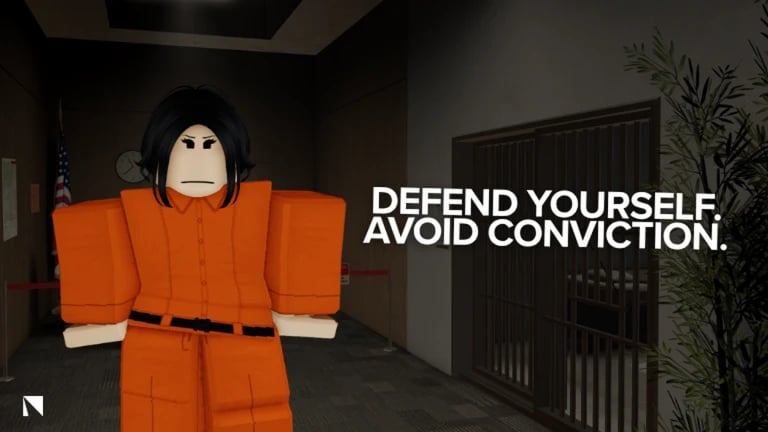
Courtroom Roleplay & Trial Guide 🏛️
Welcome to the official Roleplay Guide for Courtroom! Whether you are stepping into the courthouse as a seasoned lawyer or entering for the first time as a witness, understanding courtroom etiquette, roles, and trial proceedings is essential for a rich roleplay experience.Courtroom Roles & Responsibilities
To maintain high-quality roleplay, every player should understand the core duties and limits of their chosen role.Judicial & Legal Officers
- 🧑⚖️ Judge
- Role: The highest authority in the courtroom.
- Responsibilities: Maintains court order, rules on objections, manages trial flow, instructs the jury, and issues final verdicts or legal sentences.
- Tips: Use a formal tone, manage the gavel effectively, and stay impartial throughout the proceedings.
- 📝 Court Clerk
- Role: The administrative administrator of the court.
- Responsibilities: Swears in witnesses, calls cases, manages trial logs, and assists the judge with administrative duties.
- 🛡️ Deputy (known as Bailiff)
- Role: The primary security officer of the courthouse.
- Responsibilities: Escorts prisoners/defendants, maintains physical order, secures holding cells, and removes disruptive individuals from the courtroom on the judge’s command.
Prosecution & Defense Teams
Prosecutor / Plaintiff Lawyer
Representing the state or the party filing the lawsuit. Responsible for presenting charges, introducing evidence, and proving guilt beyond a reasonable doubt.
Defense Attorney
Representing the defendant. Responsible for protecting the defendant’s constitutional rights, challenging evidence, and cross-examining witnesses.
Key Participants & Public
- ⚖️ Defendant: The individual accused of a crime or sued in a civil action. Must follow defense counsel’s guidance.
- 👤 Plaintiff: The individual bringing a complaint or lawsuit against the defendant.
- 📜 Witness: Provides crucial testimonies and factual information under oath.
- 🗳️ Jury: A panel of neutral citizens tasked with hearing evidence, deliberating in the Jury Chamber, and reaching a fair verdict.
- 📰 Press & Public: Observers who watch from the gallery. Must remain quiet and respectful during trials.
Standard Trial Workflow
Every trial in Courtroom follows a structured, step-by-step judicial procedure:1
Opening of the Court
The Court Clerk calls the courtroom to order as the Judge enters. All attendees stand until the Judge is seated.
2
Opening Statements
Both the Prosecution (or Plaintiff) and the Defense present brief opening arguments outlining what they intend to prove.
3
Presentation of Evidence & Witnesses
The Prosecution calls witnesses and presents evidence first. The Defense is given the opportunity to cross-examine each witness.
4
Defense Case
The Defense calls their own witnesses and presents counter-evidence. The Prosecution may cross-examine.
5
Closing Arguments
Both legal sides summarize their evidence and deliver their final persuasive speeches to the Judge or Jury.
6
Deliberation & Verdict
The Jury retires to the private Jury Chamber to deliberate (or the Judge reviews the case directly). The final verdict is delivered in open court.
Courtroom Etiquette & Rules
To ensure a realistic and enjoyable experience for everyone on the server, please follow these core etiquette standards:Do’s:
- Address the Judge as “Your Honor”.
- Stand up when the Judge enters or exits the room.
- Request permission from the Judge before approaching the bench or witness stand.
- Use proper legal terminology where possible (e.g., “Objection, Your Honor!”).
Frequently Used Objections
When playing as a attorney, you can raise objections during witness examinations. Here are common objections to use:Common Legal Objections
Common Legal Objections
- Relevance: The question or evidence does not pertain to the legal issues of the case.
- Hearsay: The witness is testifying about something they heard second-hand rather than directly experienced.
- Speculation: Asking the witness to guess or express an opinion outside their direct knowledge.
- Badgering the Witness: Antagonizing, mocking, or arguing unnecessarily with a witness.